


Foreshadowing in Comics: How Subtle Hints Build Bigger Stories (Without Spoilers)
- Spidercade Studios

- Apr 4
- 4 min read

One of the most powerful storytelling tools in comics isn’t always obvious at first glance.
It’s not the action, the characters, or even the big plot twists. It’s foreshadowing—the small, intentional details that hint at what’s coming long before it happens.
In Spidercade’s Christian comic universe, foreshadowing sometimes plays an important subtle role in shaping the story, building tension, and rewarding attentive readers—all without giving away major moments too early.
What Is Foreshadowing?
Foreshadowing is when a story gives subtle clues about future events.
These hints may appear as dialogue, visual details, character behavior, background elements, recurring themes or something else.
At first, they might not seem important. But later, they connect in ways that make the story feel more complete and intentional especially when looking back in hindsight. And this can be a fun way to write compelling stories.
Why Foreshadowing Matters in Comics
Comics are a unique storytelling medium because they combine visual and written storytelling.
That means foreshadowing can happen on multiple levels such as what characters do and say or what the reader sees in the background for instance.
When done well, foreshadowing can build anticipation, create deeper emotional impact and help the story feel well planned out and cohesive. This can also be what makes rereads more rewarding for an audience.
Instead of events feeling random, everything feels connected and thought out in advance.
Building Toward Long-Term Story Arcs
Some of the most important elements in a story can be introduced quietly, long before they become central.
This can include hints about future villains and conflicts, subtle setups for major turning points, and early signs of challenges that will grow over time.
These details can help create a story that feels layered and intentional. So nothing exists “just because”—there’s always a purpose behind it.
Foreshadowing Through Character Struggles
But of course, foreshadowing doesn't have to be just about villains or major plot points. It can also appear in a character’s personal journey.
Certain struggles and themes can be physical or external challenges for example, or even emotional and internal battles.
At first, these may seem like isolated moments. But if done right over time, they can connect to larger developments, showing that what characters face early on can have lasting impact.
Subtle Hints vs Spoilers
There’s a careful balance when using foreshadowing:
If it's too obvious, it can feel predictable
If it's too vague, it may feel somewhat disconnected
The goal is to land in the middle, which is where there's enough detail to reward observant readers, but still enough mystery to keep the story engaging.
Why Foreshadowing Creates Stronger Emotional Impact
When readers see and realize that something in a story was hinted at earlier, it can change how they experience the story. Moments can feel more meaningful, connected and impactful.
Instead of reacting to something unexpected like an amazing plot twist, readers begin to understand that it was always part of the story. And that realization makes key moments hit even harder.
How This Fits Into a Deeper Storytelling Approach
Foreshadowing can work especially well in stories that focus on growth, consequences, and purpose because it mirrors real life in a way.
Sometimes, the signs of what’s coming are there early, but they aren’t fully understood until later.
In a story rooted in deeper themes, this approach allows character journeys to feel more authentic, conflicts to feel more earned, resolutions to feel more meaningful.
Hinting at Bigger Threats Without Revealing Them In Spidercade's Comic
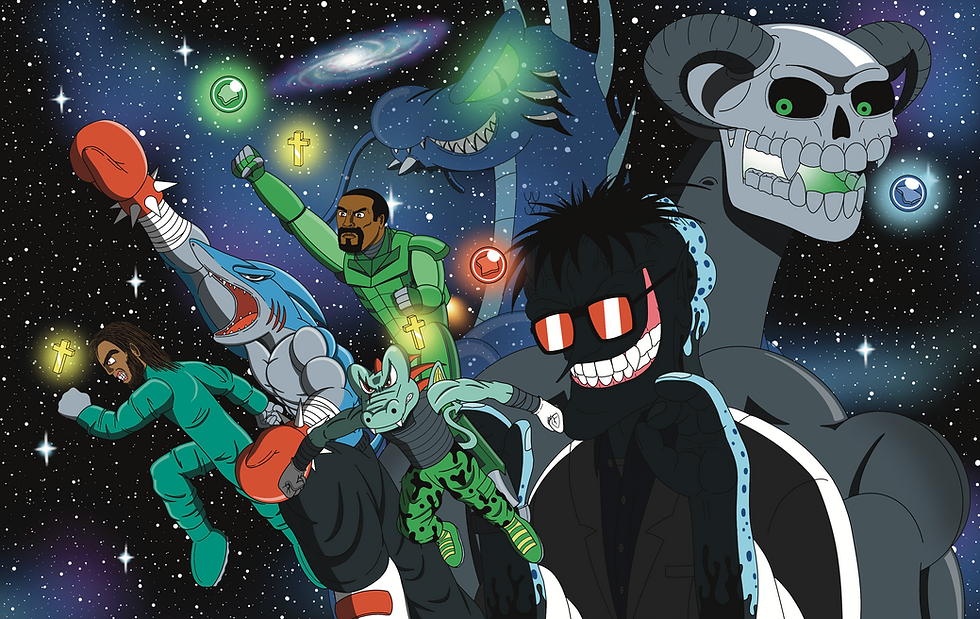
One of the ways foreshadowing is used in Spidercade’s comic series Zero Hour Epsilon Force is by hinting at larger threats early on—without fully revealing them.
Readers may notice:
Small references to something bigger at play
Moments that feel slightly “off” or unexplained
Background details that seem minor at first
These pieces are intentional.
They quietly build toward a larger narrative, allowing the story to grow naturally instead of always relying on sudden, unexpected reveals.
And the best part is, these intentional pieces could be anything throughout the entire story that may or may not make them unsuspecting at first.
In Spidercade’s comic, though it's still early in the overall story, foreshadowing is already designed so that first-time readers stay curious and returning readers notice connections they might've missed before.
Final Thoughts: The Power of What’s Unseen
Not everything important in a story is meant to be obvious right away.
Foreshadowing is a fun storytelling tool that allows creators to:
Build anticipation without revealing too much
Create connections across different parts of the story
Reward readers who pay attention to detail
In Spidercade’s Christian comic universe, the story isn’t just about what happens in the moment—it’s also about what’s being quietly set in motion behind the scenes.
If you enjoy stories where every detail matters and small moments lead to bigger revelations, explore Spidercade’s universe here and experience a story designed to unfold over time. You can also join our email list here if you like. Thank you for supporting small creators and small businesses.


Comments