


Why Fantasy Villains Work Well When They Believe They're Right

When considering villains, people might often picture characters who are purely evil, committing wrongdoings just for the sake of it. However, the most unforgettable villains in fantasy and superhero tales are not merely "evil." Many truly believe they are in the right.
And that belief is often what makes them dangerous, intimidating, and unforgettable.
The Difference Between a Weak Villain and a Strong One
A weak villain can operate on simple motivation. This can be something like power for the sake of power, chaos without purpose or evil with no deeper reasoning.
While this can work in some types of stories, it often lacks depth.
A strong villain, on the other hand, has something like a clear belief system, a reason for their actions or a goal they truly believe is justified for example.
And the scary part is that they may not even see themselves as the villain. They see themselves as the solution to whatever problem they want to solve.
Belief Creates Conviction
When a villain is convinced they're right, their actions have significance. They act without hesitation. They’re not unsure. They usually act with confidence, purpose and determination.
This makes them far more intimidating than a villain who is just acting randomly. Because in their mind, they’re genuinely not doing wrong. They’re doing what needs to be done.
It Forces the Hero to Grow
A villain with strong beliefs creates a different kind of conflict. It’s no longer just good vs evil.
It becomes truth vs perspective.
When a villain has a point—even if it’s flawed—the hero may be forced to, think deeper, question their own approach, and stand firm in what they believe.
This contributes to more impactful storytelling, as the conflict is not only physical but also philosophical.
The Line Between Right and Wrong Gets Tested
Some fantasy narratives might delve into challenging questions such as:
Can the outcomes validate the methods used?
Is it permissible to overstep certain boundaries?
What defines a person as genuinely “good”?
Villains, as well as antiheroes to a large degree, who believe they’re right may bring these types of questions to the surface.
They may justify harmful actions for a “greater good or believe their pain gives them a right to act or that they are fixing a broken world.
This tension can help make the story intriguing and more engaging.
It Makes the Conflict Personal
When a villain holds certain beliefs, the clash with the hero can become more personal. They might attempt to persuade the hero, contest their perspective, or reveal their vulnerabilities, all while engaging in combat and seeking to defeat them.
This creates moments where words matter just as much as action. The conversations carry weight and decisions can feel more significant.
How This Applies to Fantasy Worlds (And Spidercade's World)

In fantasy settings, villains often deal with power beyond normal limits, supernatural forces and world-changing stakes. If a villain with that level of power also believes they’re right, it raises the stakes even higher.
This is because they are now unlikely to back down easily. They might perceive resistance as opposition to "truth" or believe they are chosen or justified. This can make their presence seem much more significant than that of a typical antagonist.
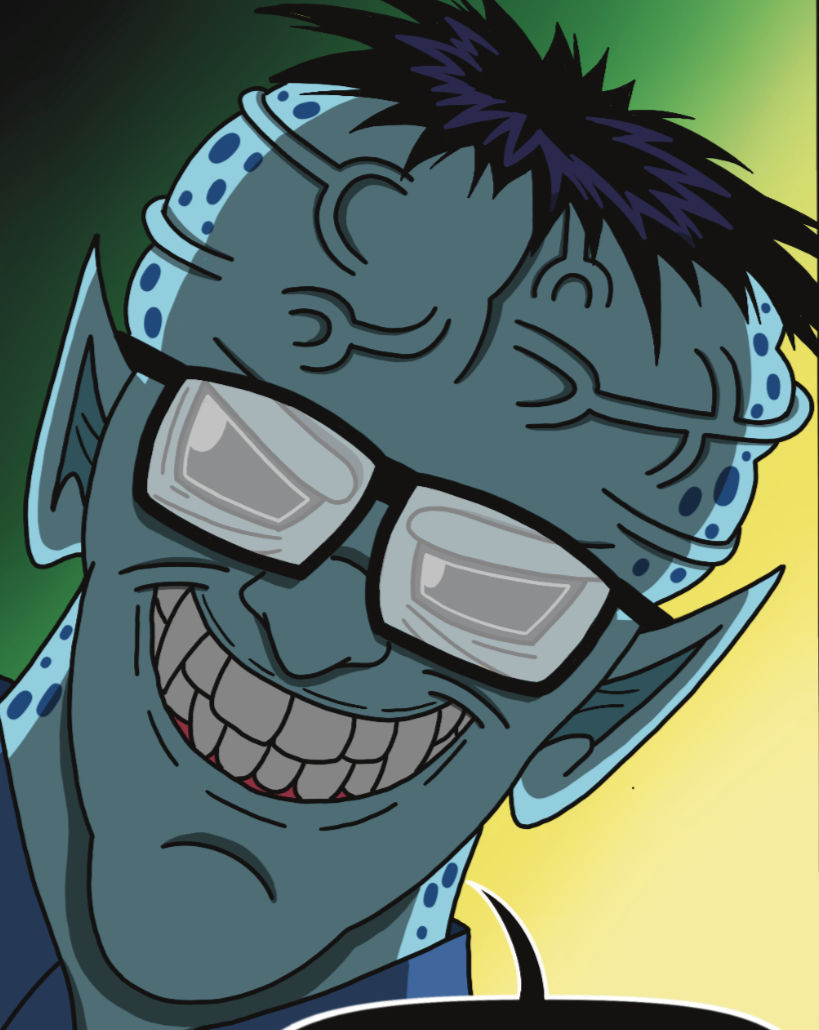
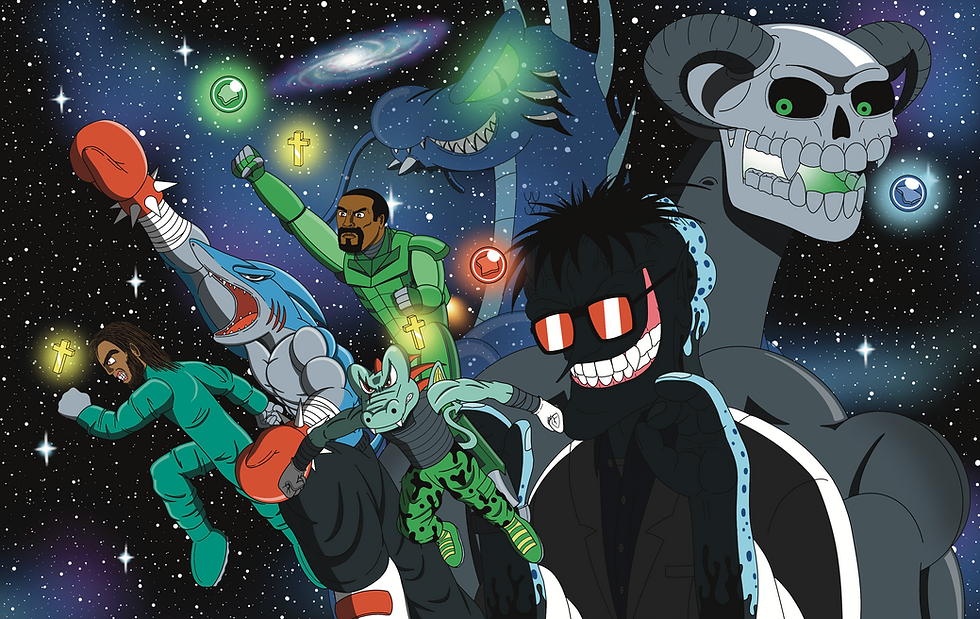
In Spidercade's Christian universe, the demon, and by extension Dr. Bill to some extent, can serve as an example of this. The ideological and prideful demon largely wants to prove he's right even though he's clearly not.
Why This Approach Feels More Real
Even in fantasy worlds, this type of villain can feel more realistic. Because in real life, people rarely see themselves as the villain in their own story.
They act based on beliefs, experiences and justifications.
Bringing that same mindset into a fantasy villain can make them feel more believable, complex and impactful.
How This Strengthens Storytelling in Comics
In comics, where pacing and visuals matter, having a villain with strong beliefs can help carry the story forward. It can allow for more meaningful dialogue, stronger character dynamics, and deeper long-term arcs.
Instead of relying only on action, the story gains emotional weight, intellectual tension, and lasting impact.
Final Thoughts: The Most Dangerous Villains Don’t Always See Themselves as Evil
The most compelling villains aren't merely focused on destruction; they're driven to prove a point.
They hold the conviction that:
Their actions are essential
Their viewpoint is valid
Their objective justifies the sacrifice
This conviction is what makes them truly dangerous. A villain who knows they're wrong might pause. But a villain who believes they're right?
They'll stop at nothing.
Purchase Spidercade's Comic Today
If you enjoy narratives where heroes and villains battle not only with power but also with beliefs, dive into Spidercade’s universe and encounter a more profound conflict.


Comments