


Slower Comic Issues Make Action Packed Issues More Meaningful


When you’re an independent comic creator, you often feel like there’s a lot of pressure to make every page count.
Early on, I felt like every issue of my comic series had to knock it out of the park with constant action, high stakes and big moments. Because unlike a big name brand or well known creator, I felt like I didn’t have the luxury of time for story build-up. I assumed that if the story slowed down at all, readers would lose interest. And to an extent, I honestly still feel this way sometimes.
But what I’ve learned over the course of creating Zero Hour Epsilon Force is that pacing and stories don't really work that way.
Why Slower Comic Issues Matter
Good pacing isn’t necessarily about moving fast or having adrenaline-filled action all the time. At some point, stories need space to slow down and breathe.
Dialogue-heavy or slower issues allow for both the characters and readers to process what’s happening and for themes and sagas to be established clearly. It's also good for getting emotional stakes to form before conflict explodes onto the scene. When a story arc alternates between setup and action, the reader stays engaged rather than overwhelmed.
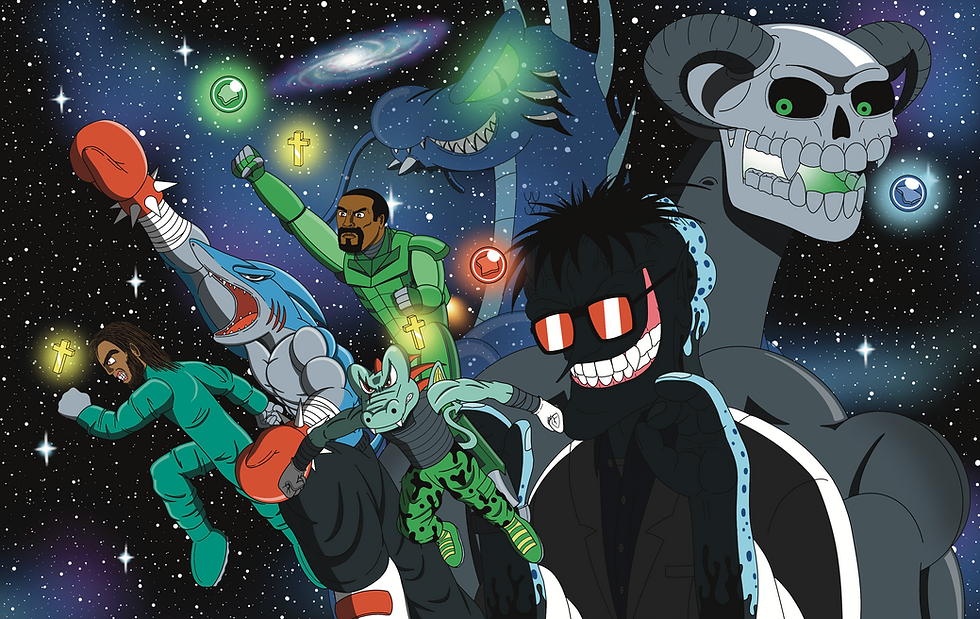
In my series, Issue 2 is slower and more dialogue heavy than Issues 3 and 4. Tyrannogator engages in one brief fight, but absolutely nothing like Issues 3 and 4 or even Issue 1. Issue 2 has more conversations and setup because it’s laying the groundwork for what comes next. Without that foundation set in place, the action in Issues 3 and 4 wouldn’t be as meaningful.
High Stakes and Heavy Themes Need Context and Buildup
Heavy themes like racism, illness or sin for example, can’t always just be dropped into an action sequence and expected to fully land with the reader. They often need time and some form of setup to help really get the point across depending on the length of the story arc.
Without proper context or buildup, they may lack the meaningful message or relatable moments. Slower pacing gives those themes the respect they truly deserve and prevents them from feeling rushed or possibly exploitative.
Trusting the Readers
One of the biggest lessons for me was learning that readers don’t necessarily need constant stimulation to stay interested. As long as they trust that the story is going somewhere, most readers will be willing to sit through well thought out stories that have meaningful conversations between characters or questions that may remain unanswered for a while. That trust is built through good story structure.
Action Feels Bigger When It’s Built Into
When action finally happens after proper buildup, it hits harder. Even though Issue 2 is slower and has more dialogue, the action packed Issues 3 and 4 work well because Issue 2 builds into them. Without some of the slower moments to build up the story, action would just be purely spectacle.
Final Thoughts
After creating the first four issues of my series, I've learned that not every issue has to do everything. Some issues, even for a small indie series, need to slow down in order to set the tone, deepen the characters, and prepare the audience for what's to come. Both slow and action packed issues are necessary for the overall story.
And sometimes the most important moments in a story aren’t necessarily the loudest ones. They may be the ones that are giving everything meaning and context.
Purchase Zero Hour Epsilon Force Today
Zero Hour Epsilon Force is my indie superhero, action, fantasy, and science fiction comic series that takes place in a raw Christian-based universe and uses a Saturday morning cartoon art style. The OG series overall is designed for teens and up. You can buy the series at Spidercade Studios.


Comments