


The Importance of Rest and Taking Breaks When Creating a Comic Book


In a previous blog I talked about the importance of consistency when it comes to creating a comic. However there's something else that's important as well when it comes to the creation process:
Rest.
Creating a comic is both a rewarding and demanding process. From writing the script, to the drawing process, to the marketing, it requires consistent effort and creativity. But sometimes creators might believe that the key to success is to work nonstop when in reality, the opposite is often true.
If you want to stay consistent, improve your work, and avoid burnout, learning when to take a break and recharge is just as important as learning how to create consistently.
Why Rest Matters for Comic Creators
When you’re passionate about your comic, it’s easy to push yourself too hard at times. But in the long run, overworking can actually slow your progress and hurt your creativity.
At certain milestones in your work, taking breaks to rest and recover helps you avoid burnout, maintain long-term consistency and focus, and keep the passion for your story alive.
Rest isn’t laziness. It’s a strategy for sustainability.
The Hidden Cost of “Grinding Nonstop”
There’s a lot of advice online that encourages people to constantly “grind” all the time without stopping. While consistency and dedication are definitely important, ignoring rest especially if its long term, can lead to problems such as:
Mental fatigue and lack of motivation
Lower-quality artwork and storytelling
Increased frustration and self-doubt
Losing interest in your own project
Ironically, trying to work harder without breaks can potentially make you less consistent over time.
How Rest Improves Your Creativity
Creativity doesn’t just happen when you’re actively working. Some of your best ideas will come when you step away.
When you take breaks, your mind processes ideas in the background, you return with fresh perspective and you notice mistakes or improvements more easily. New inspirations can even come from everyday life as well.
Many creators may find that a solution to a story or art problem comes when they’re resting from their work. I for one have had many solutions and ideas come to me during extended breaks or even while sleeping for example.
Rest and Consistency Go Together

Using the gym as a brief example, we lift weights in order to get bigger and stronger over time. But it's actually during the rest periods where the muscles and central nervous system etc. recover so that we are well rested for the next training session.
This is why you may see weightlifters sprinkle rest days in with their training days. The same concept applies to creating a comic.
Consistency doesn’t mean working nonstop—it means showing up regularly over time. This is where rest becomes essential.
If you push yourself too hard nonstop, you might work intensely for a short period but end up burning out and stop creating altogether.
However, if you balance work with rest, you’re more likely to create steadily over months and years which can allow you to build a complete series instead of having a lot of unfinished ideas.
If you want to stay consistent with your comic long-term, especially as a small indie creator, consider making rest a part of your drawing or writing routine.
Signs You Need to Take a Break
Signs that you might need a break can come in many ways. Here are a few:
Feeling tired or drained every time you sit down to work
Your progress slows down significantly
You’re making more mistakes than usual or your drawings don't feel as refined as they normally do
It always feels like a chore or you start avoiding your project or procrastinating on it a lot
You feel frustrated with work you normally enjoy
Writer's block
While it's normal to feel some of these during the natural writing or drawing process, feeling them nonstop, all the time is probably not a sign to push harder, but to step back and recharge instead.
Healthy Ways to Take Breaks
Not all breaks are the same. The goal is to recharge, not just distract yourself.
Some effective ways to rest can include:
Taking short daily breaks between writing or drawing sessions
Scheduling full days off to reset
Getting enough sleep
Going outside or exercising like running or weightlifting for example
Consuming content that inspires you (movies, TV shows, video games, other comics or books)
Taking long extended breaks after the completion of a project (like completing a comic issue for example)
Even a short break can make a big difference in how you feel and perform during the creation of your series.
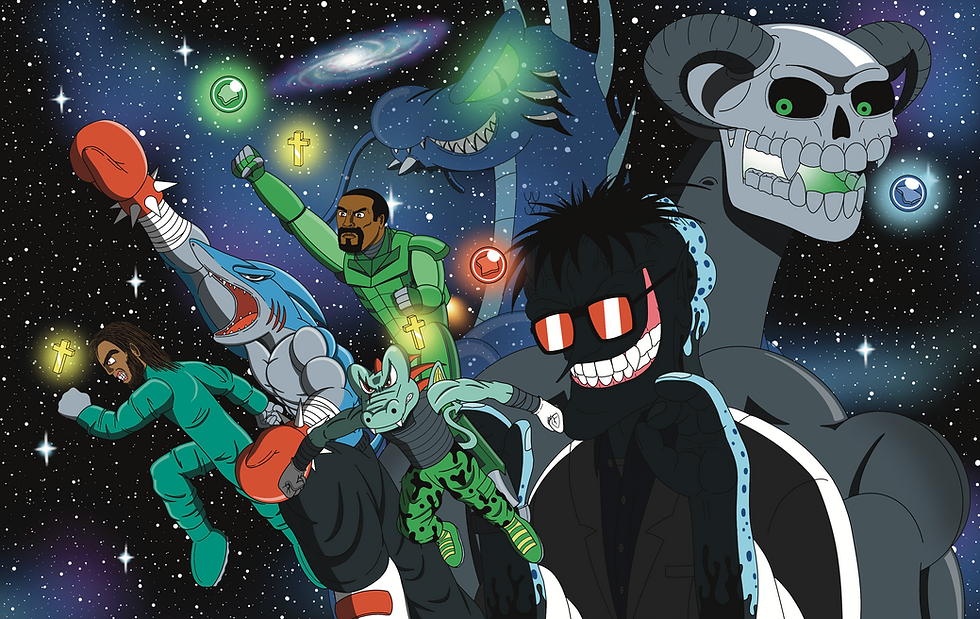
How I Mix Consistency With Rest For Zero Hour Epsilon Force
While creating my own series, Zero Hour Epsilon Force, I typically avoid burnout by planning for rest ahead of time. Typically I'll draw most days of the week, and leave one to two days a week for rest.
If I get stuck on something or feel like I need a longer recharge, I sometimes take entire weeks or longer breaks at certain times like every fourth week or once I reach a certain point in my project. Usually once I finish an issue, I'll take a hiatus of some sort for a few months before coming back and starting the next issue.
This approach helps me stay productive without exhausting myself. It also helps that I geniunely love drawing and writing too.
Final Thoughts: Rest Is Part of the Process
If you’re serious about creating a comic—especially a long-term series—you need more than motivation. You need a system that you can sustain and allows you to be consistent and disciplined. This is especially true if you're creating the series mostly alone.
Rest is not something that slows you down. It’s something that keeps you going. And this is something that I feel like people miss sometimes.
By taking care of your energy, your creativity, and your mental well-being, you give yourself the best chance to finish your comic issue, improve your skills, and stay disciplined over time.
And in the end, that consistency and discipline is what turns a passion project into something real and tangible.


Comments