


Why Power Can Reveal Character and How Spidercade's Christian Fiction Comic Series Does This


Power is frequently perceived as a transformative force. When someone gains strength, authority, wealth, influence, or a unique ability, it's often assumed that they change. While this can definitely happen, power can also bring to light what was already hidden beneath the surface of a character too.
This is why narratives focused on power—be it supernatural, financial, political, or physical—are so captivating. They can offer readers a glimpse into a character's true nature when constraints are lifted and decisions have more significant repercussions.
Power Can Remove Limits
Sometimes people imagine they would act differently if they only had more control.
If I had money, I would be generous.
If I had authority, I would fix everything.
If I had strength, I would never be afraid.
If I had influence, I would always do what is right.
But when power arrives, limits can disappear.
Instead of revealing ideals, it can reveal habits, motives, and priorities. A person who values service may use power to help others. A person ruled by ego may use it to dominate.
Power does not always automatically improve someone. It often gives them more room to express who they already are. And this is a theme that can be explored in various types of comic book storylines.
Small Traits Can Become Bigger Traits
One reason power can reveal character is because it may amplify existing tendencies. A slightly selfish person with no influence may inconvenience a few people.
A selfish person with major authority can damage many lives. A humble person with little opportunity may quietly serve a handful of people.
A humble person with real influence may become a force for good. Power often acts like a magnifier making hidden traits easier to see.
Power Can Test Integrity
Some people appear kind or disciplined when they have no alternatives and this can be portrayed in fictional characters too.
It can be easier to seem patient when no one listens to you. It can be easier to seem humble when no one praises you. And it's often easier to seem honest when dishonesty offers no reward.
But power can create options. So when someone can manipulate, exploit, ignore, or enrich themselves—and chooses not to—that choice reveals integrity. Because character is often clearest when a person has the ability to do wrong and decides against it.
Power and Responsibility
A healthy story often shows that power and responsibility belong together. Strength without wisdom can become reckless. Authority without compassion can become oppressive.
Talent without discipline can become destructive.
That is why many memorable heroes are not defined only by what they can do, but by how they restrain themselves, protect others, and carry burdens that come with power.
Likewise, many memorable villains are not evil merely because they are strong, but because their strength often reveals greed, cruelty, insecurity, obsession or some kind of bad trait which often makes them intimidating in some way.
Why This Theme Works Well in Comic Stories
This is one reason superhero stories and fantasy worlds can resonate so strongly with an audience. If a particular character gains power, the audience might subconsciously ask questions like:
Will they stay grounded or become arrogant?
Will they use gifts responsibly or selfishly?
Will their hardship deepen wisdom or bitterness?
These are important because power often raises the stakes of moral choices. A lie from an ordinary person may hurt a few relationships. A lie from someone powerful can reshape communities or nations.
That tension creates drama because readers understand that strength without character can become dangerous especially when characters and stakes scale to galaxy and universe levels.
How Spidercade's Christian Fiction Comic Does This (So Far):
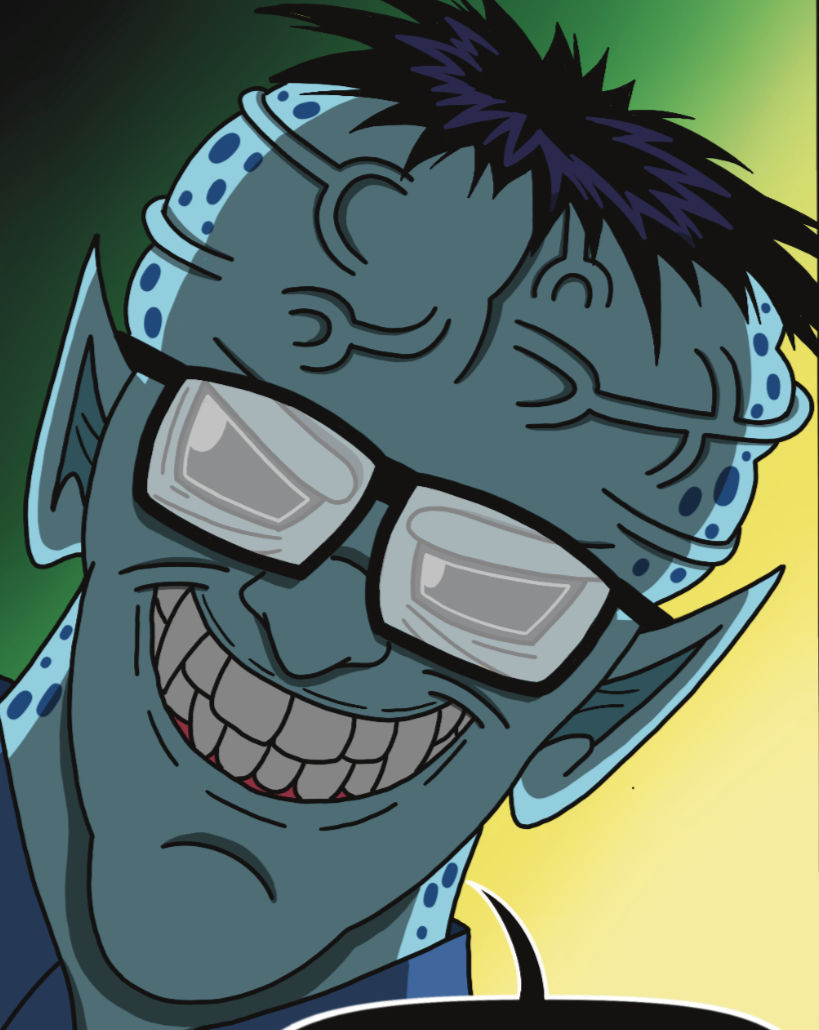
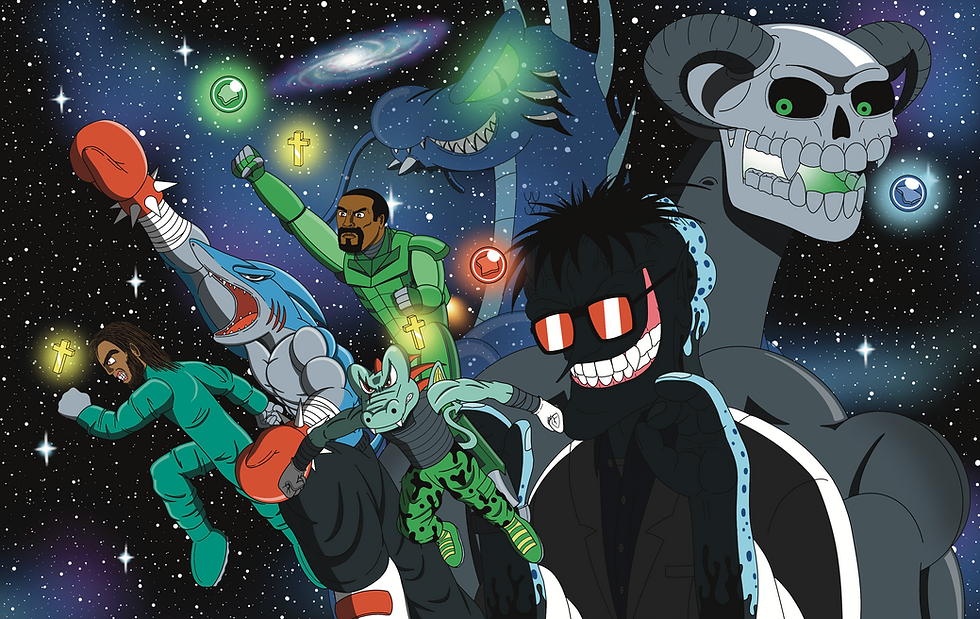
So far in Spidercade's Christian fiction comic series, Zero Hour Epsilon Force, there are two characters in particular who stand out who obtain some sort of power later in their lives. One is Dr. Bill Xorton and the other is Pastor Wohali.

Both characters have a traumatic past that eventually leads to each of them getting power and some form of influence. But the way they respond to their unique situations once they get power differs from each other drastically, with Dr. Bill becoming a demon possessed villain and Wohali becoming both a superhero and pastor.
In both instances, especially Dr. Bill's, their power gain reveals and amplifies what was already there within their character prior to them gaining the power, whereas previously in their flashbacks they weren't able to realize who they fully were without it.
A Connection to Real Life
Most people will never rule kingdoms or wield superpowers, but many people experience some form of power such as:
Influence in relationships
Authority at work
Money and resources
Public attention
Physical ability
Knowledge and expertise
Even in smaller forms, power can reveal whether we use what we have to serve, control, uplift, or exploit. That is why character actually matters before power arrives and it's a fun theme to explore with superheroes and villains in comics to have them reflect real life and seem more human-like too.
Final Thoughts
Power can feel like transformation, and sometimes it is. But it's often exposure too sometimes. It removes limits, increases options, and magnifies choices. What someone does with power often reveals their core values.
That is why comic stories about power remain so meaningful. They ask the age-old question: If given the ability to do almost anything, who would you become?
And sometimes the deeper answer is this: You would become more visibly who you already are at heart.
Purchase Zero Hour Epsilon Force Today:
If you're looking for an indie Christian fiction series that touches on topics like this as well as many others, Zero Hour Epsilon Force can be a great option. You can click here to buy the series at the Spidercade shop and also join our email list for future updates by clicking here.
Thank you for supporting small art businesses.


Comments