


A Few Reasons Why Some Villains Can’t Be Redeemed — And That’s Okay

Redemption is one of the most powerful themes in storytelling across comics, television and movies.

We love seeing a broken character turn around and choose a better path. We love the idea that no one is beyond hope.
But sometimes, in fantasy, science fiction and superhero stories, a different truth appears:
Not every villain is redeemed. And that’s perfectly okay.
Redemption Only Matters When It’s Chosen
A meaningful redemption requires something specific: willingness.
A villain must recognize their wrongdoings, feel conviction, desire change and accept consequences. Without elements like those, redemption becomes forced rather than earned.
If a character repeatedly refuses to change, a sudden turnaround can feel cheap or dishonest.
And stories can lose weight when transformations occur without cost or internal struggle.
Some Villains Represent a Principle, Not Just a Person
Certain villains or antagonists aren’t just intimidating individuals making bad choices.They embody deeper concepts like
Corruption
Pride
Cruelty
Hatred
Destructive ambition
When a villain represents a principle that they fully embrace, redemption may not align with the story’s message.
In those cases, their refusal to change reinforces the seriousness of what they stand for.
Consequences Give Stories Moral Weight
If every villain is redeemed, or villains are redeemed too easily or too often, the stakes in a story may begin to soften and this can unintentionally minimize harm.
For a redemption arc to feel authentic, the character must wrestle with different kinds of inner struggles such as:
Guilt
Loss
Humility
Change
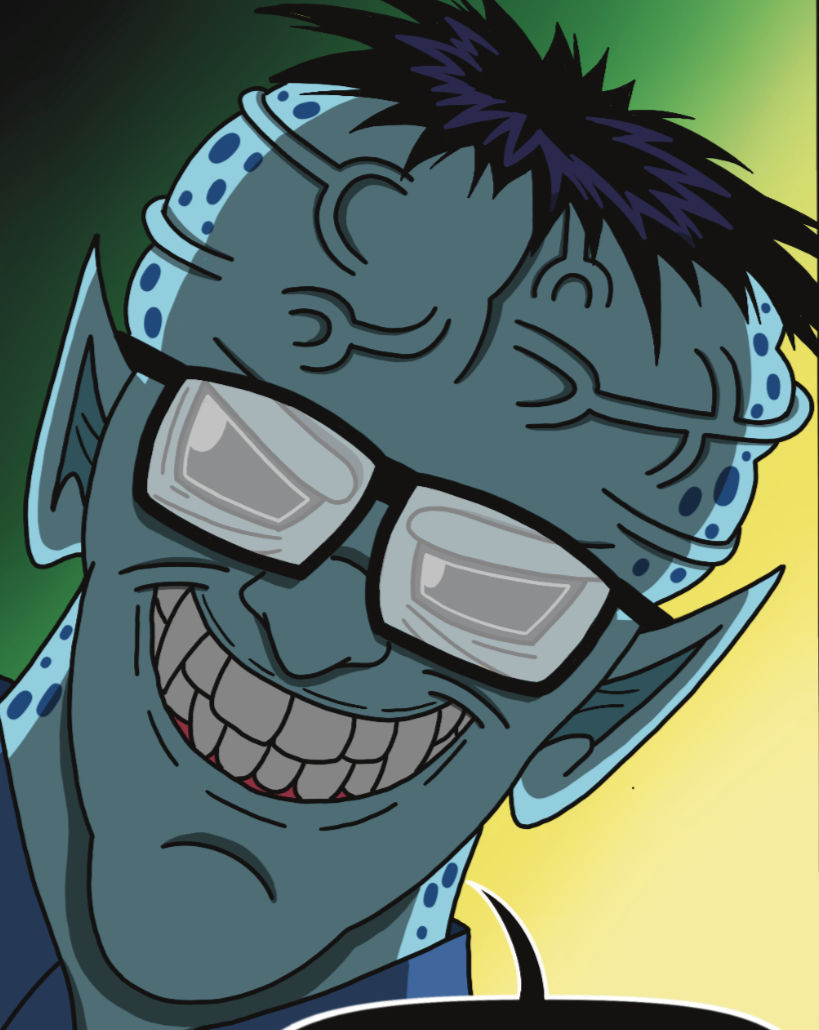
If a villain never reaches that point internally, redemption would feel unearned. And forcing it can weaken the narrative.
Furthermore, many times when evil is at play, justice requires accountability and protection of others.
So a world where every evil act ends in a neat reconciliation can feel artificial because in real life, this doesn't always happen.
Stories gain gravity when actions carry real consequences.
Even Scripture Shows That Not All Hearts Turn
The Bible contains many examples of mercy and transformation. But it also shows that some individuals, despite repeated opportunities, hardened their hearts.

Pharaoh in the book of Exodus is a clear example. Even after witnessing signs and warnings from God, he continually refused to change during his encounters with Moses. His resistance became part of the story’s unfolding consequences.
It's not that mercy and transformation are unavailable even for people like Pharaoh. It’s that they must be received.
Redemption can be offered to various types of individuals — but it cannot be imposed.
A Villain’s Refusal Can Strengthen the Hero
When a villain refuses redemption, it forces the hero to confront reality. The hero cannot rely on persuasion alone. They realize they must stand firm, protect others, and accept that not everyone will choose the light.
This can deepen the hero’s conviction and maturity and cause growth.
Sometimes growth comes not from saving the enemy from his or her own doomed path and demise — but from recognizing the limits of one’s control.
The Villains In Spidercade's Fantasy Comic

In the indie series, Zero Hour Epsilon Force, the villains so far have not shown to be redeemable and this is intentional for a few reasons.
One, because the comic takes place in a raw Christian universe, it's meant to reflect how the Bible is written, real life, and the 90s and 2000s Saturday morning cartoons. So it's not meant to be soft or have low stakes like lots of other Christian content.
And two, it's because some of the villains, like the demon for example, represent manifestations of certain concepts like sin and permanent rejection of God which aren't meant to have redeemable qualities.
That said, there are plans to have villains in future stories be redeemable when those parts of the story are reached.
Why It’s Okay
Allowing many villains to remain unredeemed doesn’t mean rejecting hope. It means acknowledging that free will matters.
It means acknowledging that evil, when fully embraced, has consequences and that this is an unfortunate reality even in real life.
And it preserves the power of redemption for the characters who truly choose it so that it doesn't lose its weight in the story.
Because when redemption does happen — when a villain genuinely turns — it feels profound, earned and real.
And that’s only possible in a world where choosing not to change is also a possibility.
Zero Hour Epsilon Force Available Today
Zero Hour Epsilon Force is an independent fantasy, superhero, and sci-fi comic series that takes place in a raw Christian universe. It's darker and grittier themes make it suitable for teens and up, and it's art style is reminicent of the 90s and 2000s animated Saturday morning cartoons.
If you want a Christian-based comic that explores different themes and has many irredeemable and threatening villains that mean what they say, you can purchase the series here at Spidercade Studios and join our email list as well.


Comments